If a product says “organic” but it is a cosmetic, what should I assume?
Assume the word “organic” is a claim to check, not proof that the product is certified. Cosmetics can contain organically produced ingredients, and some may qualify for organic certification under United States Department of Agriculture (USDA) rules. But a large “organic” claim on a bottle does not, by itself, tell you who certified it, what percentage of its ingredients are organic, or whether the finished product is gentler or more effective.
That distinction matters whether you are shopping for face cream, body oil, shampoo, soap or a product containing CBD. In the United States, the Food and Drug Administration (FDA) regulates cosmetics for safety and labelling, while the USDA’s National Organic Program sets standards for organic agricultural production and handling. The practical question at the shelf is simple: can you find a recognised certification mark and the certifier’s name?
Start with the important distinction: organic is a process standard
Organic certification is about how eligible agricultural ingredients are produced and handled, and whether the product meets the relevant rules and record-keeping requirements. It is not a general rating of how “good” a cosmetic is.
A certified product may meet defined requirements for organic production and processing. That does not automatically mean it is safer for every person, more effective, free from synthetic ingredients, or better for the environment in every respect. Nor does it mean that the product is hypoallergenic. People can react to botanical oils, essential oils and other naturally derived ingredients, just as they can react to other ingredients.
So when you see “organic”, separate two questions:
- Is there a credible certification behind the claim?
- Is the product suitable for my needs?
Certification can help answer the first question. The ingredient list, directions, product purpose and your own sensitivities are more relevant to the second.
What do the FDA and USDA do with cosmetics?
The phrase “FDA does not define organic” is a useful shorthand, but it needs context. The FDA does not establish a separate “organic” standard for cosmetics. It is responsible for federal cosmetic requirements, including safety and labelling rules. Organic claims on products that contain agricultural ingredients may instead fall under USDA organic rules, if the product and its ingredients meet the applicable standards.
In other words, a cosmetic can sit at the intersection of two different kinds of oversight: FDA rules for cosmetics and USDA rules for qualifying organic claims. A USDA certification does not replace the cosmetic manufacturer’s responsibilities under FDA requirements. And an FDA-compliant cosmetic is not necessarily organic.

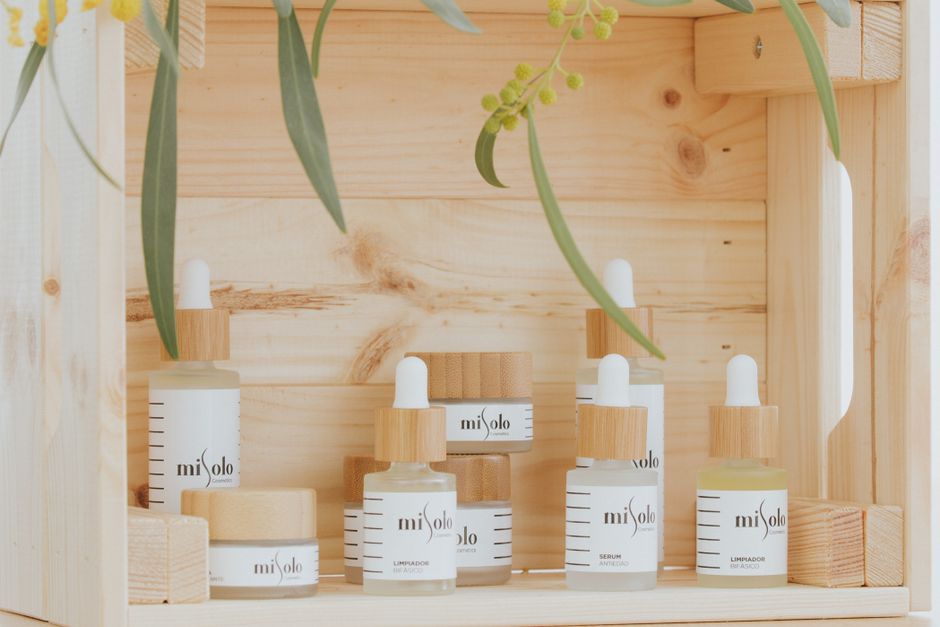
Not every cosmetic is eligible for, or carries, USDA organic certification. The product’s ingredients and production process matter. Water and salt, for example, are excluded when calculating organic percentages under USDA labelling categories. A product may also use a private certification scheme, but that is not the same thing as the USDA Organic programme. If a label uses another mark, check who owns that scheme and what its standard actually requires.
USDA organic label tiers: what the percentages mean
USDA rules provide different labelling categories. These percentages refer to the product’s organic ingredients as calculated under the programme’s rules; they are not a promise that the product is a certain percentage “natural” or chemical-free.
USDA category General threshold What to expect on the label 100 percent organic All ingredients, excluding water and salt, must be organic. The product may display the USDA Organic seal and use the relevant organic claim. Organic At least 95% organic ingredients, excluding water and salt. The product may display the USDA Organic seal. The remaining ingredients must meet applicable rules. Made with organic ingredients At least 70% organic ingredients, excluding water and salt. The product may name up to three organic ingredients or ingredient groups in the claim, but may not display the USDA Organic seal. Less than 70% organic ingredients Below the 70% threshold. The product cannot make the USDA category claim on the main display panel, though specific organic ingredients may be identified in the ingredient statement as permitted.These categories are a useful guide, but do not try Great post to read to calculate a product’s status from a marketing headline alone. The wording, the ingredient list and the certification information should line up. A front label saying “made with organic botanicals” is not the same as a product labelled “organic” under the USDA category.
Seal versus marketing words: “natural”, “clean” and “pure”
Words such as natural, clean and pure can sound reassuring, but they do not tell you that a cosmetic has USDA organic certification. On their own, these words are not substitutes for a recognised organic standard or a certifier’s verification. They may describe a brand’s positioning rather than a defined certification category.
The same goes for “plant-based”, “eco”, “green” or “made with nature”. They may be meaningful to the brand, but they do not establish how much of the product is certified organic. A label can feature the word “organic” prominently while leaving the certification status unclear.
That is why the first check is not the biggest word on the front of the pack. Look for certification mark and then verify what it applies to. For a USDA claim, look for the USDA Organic seal where the category permits it, and check the information panel for the name of the certifying agent. A seal is a useful clue, not an invitation to stop reading.
Why the certifier’s name matters
For US products making USDA organic claims in the relevant categories, the label is generally required to identify the USDA-accredited certifying agent. This is often found on the information panel rather than beside the main front-of-pack claim. The certifier is the organisation that inspected or verified the operation against the USDA organic requirements.
If you see “organic” but cannot find a seal where one would be expected, a certifier’s name, or a clear explanation of the standard, pause before treating the claim as certified. Some products may use a different legitimate certification scheme, and not all USDA categories allow the USDA seal. In those cases, look for the name of the scheme or certifier and check its own standard rather than assuming that every organic-looking badge means the same thing.
- Read the full claim: is it “organic”, “made with organic ingredients”, or simply “contains organic oil”?
- Look for the relevant seal or certification mark.
- Check the back or side panel for the certifier’s name.
- Compare the claim with the ingredient list and the product category.
- If anything is vague, ask the company for the certificate or a clear explanation of the certification.
A quick aisle checklist
When you have a product in your hand and only a moment to decide, use this short checklist:
- Claim: What exactly does “organic” refer to—the whole product or a named ingredient?
- Mark: Is there a recognised certification mark, such as the USDA Organic seal where applicable?
- Certifier: Can you find the certifier’s name on the information panel?
- Percentage category: Does the label’s wording fit the applicable organic tier?
- Ingredients: Are there ingredients you personally avoid or have reacted to before?
- Performance: Are you buying it for a specific result? Organic status alone cannot promise that result.
If the front says “organic” in oversized letters but the rest of the packaging gives you no way to verify the claim, treat it as a marketing claim until you have evidence of certification. That does not prove the claim is false; it means you should not assume it is certified.
Certification is not batch testing—or a safety guarantee
Certification and batch testing answer different questions. Organic certification is primarily about compliance with production, handling and documentation standards. Batch testing examines a particular production batch for specified qualities, which may include identity, potency or selected contaminants, depending on the product and the test.
A company might provide batch-test results without having organic certification. Conversely, organic certification does not tell you that every batch has been tested for every possible contaminant, or that the product will suit your skin. If batch testing matters to you, check what was tested, who conducted the test, when it was done and whether the result is linked to the batch number on your product. A generic statement that a product is “tested” is less informative than a report with clear details.
Consider brands such as Joy Organics in the same practical way you would assess any company: examine the claim on the specific product, find the relevant certification or testing documentation, and check that it matches the item you are buying. A company name, reputation or confident front label cannot stand in for product-specific evidence.
Common assumptions to avoid
“If it says organic, the whole cosmetic must be organic.”
Not necessarily. The wording may refer to one ingredient, a defined percentage category or a marketing claim. Check the full label and certification details.
“Organic means hypoallergenic.”
No. Organic certification does not predict whether your skin will react. If you are prone to sensitivity, review the full ingredient list and follow appropriate advice for a new product.
“Organic means chemical-free.”
No. Everything made of matter is made of chemicals, including water and plant oils. “Chemical-free” is not a useful way to judge a cosmetic. Focus instead on the actual ingredients and the claims that can be verified.
“A certification mark proves the product works better.”
No. Certification concerns a standard and process; it is not a clinical result or a performance guarantee. Choose a product for its intended use and evidence, not for the organic label alone.
So, what should you assume?
If a cosmetic says “organic”, assume only that the maker is making an organic-related claim. Do not assume it is USDA-certified, that the whole product meets an organic threshold, or that it is safer, milder or more effective. Verify the category, check for the relevant certification mark, and find the certifier’s name on US-certified products where required.
Then assess the product separately: read the ingredients, consider your own sensitivities and look for product-specific evidence such as relevant batch testing if that is important to you. The best shopping habit is a small one: trust the label you can verify, not the words that merely sound reassuring.