Secret RF vs Thermage: What Is the Real Difference?
If you’re exploring non-surgical skin tightening options, you’ve likely come across two heavy-hitters in the energy device world: Secret RF and Thermage monopolar RF. Both promise firmer, younger-looking skin without a scalpel, but what’s really going on beneath the surface? And how do they stack up against ultrasound-based treatments like Ultherapy and the newer Ultherapy Prime?
In this post, I break down the key differences—surface vs dermal vs structural tightening, real-time imaging advantages, depth targeting, and the limits of radiofrequency (RF) heating. Plus, I’ll share an important clinic question you should always ask, which few bring up: real pricing in SGD. Let’s cut through the hype and get you the facts.
Understanding the Layers: Surface Tightening vs Dermal Tightening vs Structural Lifting
Before jumping into device nitty-gritty, it’s crucial to know exactly what layer of skin and tissue you want to treat. Often, treatment claims get mixed up because they don’t specify “what layer” is trulyexpatlifestyle.com actually being addressed.
- Surface tightening: Focuses on the epidermis and upper dermis — improving texture, fine lines, and minor laxity.
- Dermal tightening: Targets mid to deep dermis layers to stimulate collagen and elastin for thicker, firmer skin.
- Structural lifting: Goes deeper into the SMAS (superficial musculoaponeurotic system)—the connective tissue layer that plastic surgeons tighten during facelifts.
What layer are you aiming to treat? This question determines which device is likely to deliver results you want.
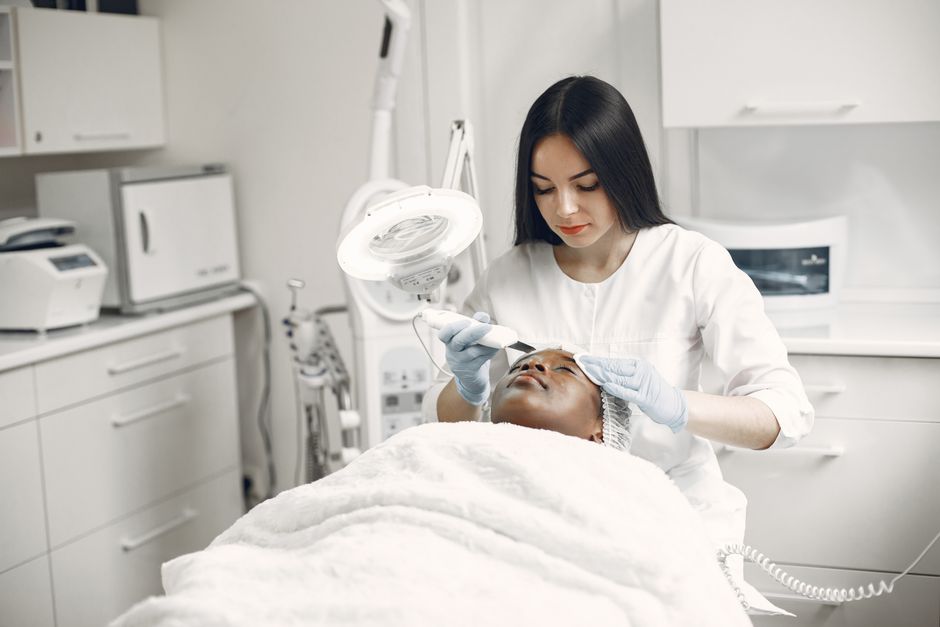
Secret RF: Fractional Radiofrequency for Dermal-Level Healing
Secret RF uses a fractional microneedling radiofrequency system. Tiny insulated needles penetrate the skin to deliver RF energy directly into the dermis at precise depths — typically 0.5mm to 3.5mm — depending on the device setting and indication.
Because the radiofrequency energy is delivered fractionally (i.e., in spots shaped by the needles), the surrounding tissue remains intact, enabling faster healing. This fractional approach is designed to induce localized thermal injury, which triggers your body's natural collagen and elastin remodeling processes.
Key Features of Secret RF
- Depth targeting: Adjustable needle penetration depths allow treatment from superficial dermis to deep dermis layers.
- Fractional heating: Localized RF energy heats small “dots,” creating controlled microthermal zones.
- Collagen stimulation: Fractional RF heats tissue to stimulate collagen without damaging the epidermis.
- Surface effect: Adds micro-channels in the epidermis that can also enhance product absorption post-treatment.
In short: Secret RF primarily targets dermal tightening by fractional heating and microneedling, improving skin texture, collagen density, and firmness.
Thermage Monopolar RF: Bulk Heating for Surface + Dermal Tightening
Thermage monopolar RF uses a fundamentally different radiofrequency method. Instead of needles, it delivers monopolar RF energy in a bulk fashion over broad treatment areas. The energy penetrates deep into the skin and subcutaneous tissue to produce volumetric heating.
This bulk heating heats the dermis and connective tissue layers broadly but non-selectively, causing collagen contraction and long-term neocollagenesis (new collagen formation). Thermage typically heats to about 40-45°C, enough to induce collagen tightening without burning the surface.
Key Features of Thermage Monopolar RF
- Depth targeting: Bulk heats dermis and superficial fat layers, but depth accuracy is less precise compared to fractional or ultrasound treatments.
- Bulk heating: Delivers uniform heat to broader tissue volumes rather than pinpoint fractional zones.
- Collagen stimulation: Induces collagen contraction and remodeling via thermal stimulation.
- Surface effect: Some superficial tightening visible but primarily dermal.
Thermage is mainly a surface and dermal tightening tool using broad monopolar RF energy.
Ultherapy and Ultherapy Prime: The Structural Lifting Specialists
Unlike RF devices, Ultherapy (and the newer Ultherapy Prime) use Micro-Focused Ultrasound with Visualization ( MFU-V) technology. This ultrasound energy can be delivered with real-time imaging guidance to precise depths including the SMAS layer, the tough connective tissue layer that facial plastic surgeons tighten during facelifts.
This ability to target the SMAS sets Ultherapy apart from RF devices.
Distinctive Features of Ultherapy and Ultherapy Prime
- Real-time imaging: Visualize exact tissue layers receiving ultrasound energy.
- Depth targeting: Ultrasound energy concentrated at multiple depths, including the critical 4.5mm SMAS layer.
- Structural lifting: Stimulates neocollagenesis and tissue tightening at the deep foundational level.
- No needles or RF: Completely non-invasive and non-RF based.
Ultherapy is your go-to for structural lifting—the deepest, tissue-tightening impact.
Fractional vs Bulk Heating: Why It Matters
Feature Secret RF (Fractional RF) Thermage (Bulk Monopolar RF) Heating Pattern Fractional (microthermal zones) Bulk (broad uniform heating) Targeted Depth Adjustable 0.5 – 3.5 mm dermis Up to 4 mm dermis / superficial fat Surface Impact Micro-channels & slight surface disruption Minimal surface disruption, smoother tightening Healing Time Moderate, some redness and pinpoint spots Minimal downtime, some redness or swelling Primary Effect Induces collagen via fractionated healing Induces collagen contraction & remodelingFractional heating like Secret RF creates tightly controlled zones of thermal injury separated by untreated tissue. This pattern promotes faster healing and more focused collagen remodeling. Bulk heating like Thermage heats entire tissue volumes more uniformly but with less depth precision.
SMAS Relevance and Depth Targeting
A lot of marketing glosses over "what layer?" but one must be precise here.
- Secret RF: Does not reach the SMAS (approx. 4.5 mm depth); limited to mid-deep dermis.
- Thermage: Can penetrate deeper (3-4 mm), but depth accuracy and impact on SMAS are indirect and less targeted.
- Ultherapy and Ultherapy Prime: Specifically target SMAS layer with real-time depth visualization, delivering effective structural lifting.
For patients wanting true lifting beyond skin tightening, ultrasound-based treatments with SMAS targeting remain the gold standard.
RF Heating and Collagen Stimulation Limits
Radiofrequency is great for inducing moderate collagen stimulation. But beware:
- The temperature window is tight. Too low won’t stimulate collagen; too high causes burns and scarring.
- RF energy dissipates with depth, making precise targeting difficult, especially for monopolar devices.
- Fractional RF improves safety and focused collagen remodeling but still doesn’t reach the foundational SMAS layer.
Users often ask why after multiple sessions with devices like Thermage or Secret RF, the lifting effect has limits. It’s physics — RF has a ceiling when it comes to deep tissue remodeling.
One Critical Clinic Question That Gets Dodged: "What’s the Price in SGD?"
One common clinic page and sales tactic I’ve noticed (from my years as a patient coordinator in Singapore) is the omission of pricing in Singapore Dollars (SGD). Instead, vague “price starting from” figures without currency conversions or comparison often confuse patients.
Always ask upfront:
- “What is the full treatment cost in SGD including consultation and any pre/post-care?”
- “Are prices for face only, or full face and neck?”
- “How many sessions are typically recommended for my skin type and concerns?”
Because both Secret RF and Thermage treatments can vary in number of sessions and treatment areas, knowing the complete cost helps you budget better and make informed decisions—not just take claims at face value.
Summary: What to Choose Based on Your Skin Goals
Goal Secret RF Thermage Ultherapy / Ultherapy Prime Surface & Texture Improvement Excellent (via microneedling + fractional RF) Good (bulk dermal tightening) Limited (deeper focus) Dermal Firmness & Collagen Boost Excellent (collagen remodeling in dermis) Good (broad collagen contraction) Moderate Structural Lifting (SMAS) Poor (does not reach SMAS) Minimal (indirect effect) Best (precise SMAS targeting) Downtime Moderate (some redness, pinpoint healing) Minimal (some swelling, redness) Minimal (mild redness possible)Final Thoughts
Secret RF and Thermage monopolar RF are both valuable tools for skin tightening—but they work differently. Secret RF’s fractional microneedling and localized heat excel at collagen stimulation in the dermis, improving texture and firmness. Thermage’s monopolar RF uses bulk heating for broader dermal tightening with minimal surface disruption.
For patients seeking structural lifting from the foundational SMAS layer, ultrasound technologies like Ultherapy and Ultherapy Prime—with real-time imaging—offer the deepest, most targeted lifting results.
Don’t forget to ask your clinic for detailed pricing in SGD and clarity on the recommended treatment plan—because transparency helps you invest wisely.
What layer are you actually treating? Once you know, the right choice becomes much clearer.